
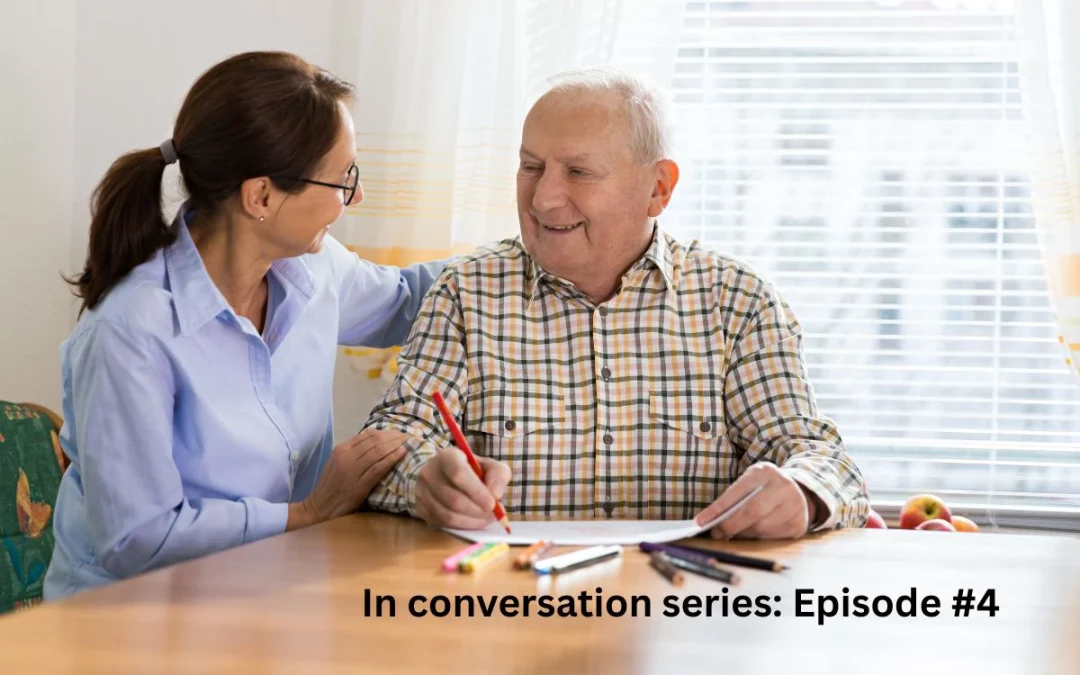
mCare Digital Introduces the conversation series – Episode 4: In conversation with Megan Condron
Wearer: Megan Condron
State: VIC
Sector: Disability/Sector
Recommending mCareWatch Since: 2021
Current Model Being Recommended: mCareWatch G11, mCareWatch 241SE
Can you give us a little background information about yourself?
I’ve been working as an occupational therapist for around 25 years. I’ve worked mostly in public health, in public hospitals and community health services, often in combination. I’m a bit of a jack of all trades! For about 15 years, I worked across the hospital system, community health, and palliative care. Since 2017, I’ve been working in the NDIS space, and in the last four years, I’ve started my own business. I’m now a sole trader working just with NDIS clients.
That must be very rewarding for you as well?
Oh, the NDIS is incredible, both for me and for my clients. Before, I spent a lot of time using band-aid solutions, like duct-taping wheelchairs together. Now, clients just get what they need, especially my clients with physical disabilities. I do home modifications, power wheelchairs, hoists and care plans. I help people get home from hospital. I love it.
How long have you been using mCare Digital products?
I started using them a lot more in the last four years, since I began my own business and started working more in the NDIS space. Previously, I used a competitor, but recently, more clients have wanted a watch instead of a pendant around their neck. The mCareWatch has become a popular choice.
Can you tell us how mCare Digital’s devices have helped your clients maintain their independence and stay safe?
They’ve truly made a difference. For many clients, they’ve actually saved lives, especially for those at high risk of falling. Fall detection is essential and has triggered ambulance calls for several of my clients.
The peace of mind for people living alone is incredibly important, both for them and for their families or support workers. I’ve even used the device for other purposes, like reminding clients to take medication if a support worker isn’t available, or reminding them when to go to bed. For clients with dementia, their partners can answer calls more easily without having to find their phone. It significantly reduces stress.
You mentioned reminders – do your clients from different language backgrounds use these products as well?
When I worked in Melbourne, in areas like Heidelberg, the Austin Hospital, and Broadmeadows, I served a very multicultural community. However, in the Macedon Ranges, most of my clients are English-speaking.
Could you share a specific example of how our products have significantly benefitted one of your clients?
I have several clients who are at risk of falling. The device ensures there’s someone on the other end to talk to them and ask if they need an ambulance. I have clients who’ve fallen at night while alone, with dementia and medical issues, and the system called an ambulance that took them to hospital.
The most important part is that, in some cases, they didn’t even have to press a button, the fall detection worked automatically.
What challenges do your clients typically face, and how does mCare Digital help address those?
The risk of falls is the main challenge, along with cognitive and physical impairments. For families, the GPS tracker is valuable (where allowed). The devices fill the gap when no one is there to help and allow people to stay at home longer. Many of my clients have progressive conditions, and we can adjust the devices as needed.
We’ve made a lot of improvements, including reminders for exercises and other activities. How else have these helped?
The medication reminders have been especially helpful for one client. The device also reminds them when to go to bed or have dinner. When support workers aren’t available, these reminders really fill in the gaps. The fall detection and automatic answer features have been amazing.
Why do you trust mCare Digital as part of your toolkit for your clients?
I appreciate that if something isn’t working, the team is on call and based in Australia, that makes a big difference. The 30-day refund is a great policy. I also like that I or the client’s support person can log in and change settings ourselves, like updating a phone number. I can check on fall alerts remotely without visiting the client. It takes just five minutes. The remote service and support calls have been invaluable. Responses are prompt and usually within 24 hours by email, and I never have to wait on the phone for hours.
From a clinical perspective, how do mCare Digital’s features support your therapy goals?
Most of my clients want to stay at home as long as possible and manage risks. That’s my role: to minimize and help calculate those risks with them. The mCareWatch is part of that approach. Sometimes we use the pendant, but many prefer the watch because it helps them feel normal.
What advice would you give other healthcare professionals considering mCare Digital for their clients?
Check the coverage in your area, especially important in regional Victoria. I also like to let clients try the device first. I’ve even bought different bands myself to help them find what’s comfortable. Let them try it and know that it’s adjustable.
Do you think all OTs provide the same kind of support for their clients when using these devices?
For me, if I recommend something, I need to make sure it will work for the client. I have high-needs clients, so it’s part of my service. If there’s an issue, I work with the support worker over the phone or online to solve problems, and I always set it up myself. I document everything to educate the support workers about the proper use.
What are some of the unique challenges you face?
Many of my clients don’t use computers and are very isolated and fragile. They often need extra support. A current challenge is that NDIS is making it harder to get the costs covered. I can’t use plan managers as before, and now I need to submit forms and justify funding for the watch. It’s frustrating because the device is such good value, saving clients from going into care and saving the system money. The process is more burdensome than necessary.
The market offers alternatives, but how do you see mCare Digital’s difference?
Please keep pushing forward. You offer something unique. Although there are other pendant alarms, they don’t do what you do. Cheaper products don’t always do the job. Many of my clients have no one else in the world to help them except a support worker, so having a monitored alarm is critical.
Quick note
We hope you’ve enjoyed our 4th episode of our in conversation series, this time in conversation with Megan Condron. We are planning to release a story each month and if you are interested to read these, please subscribe by using the form below. Thank you for reading until the end. We appreciate you.