
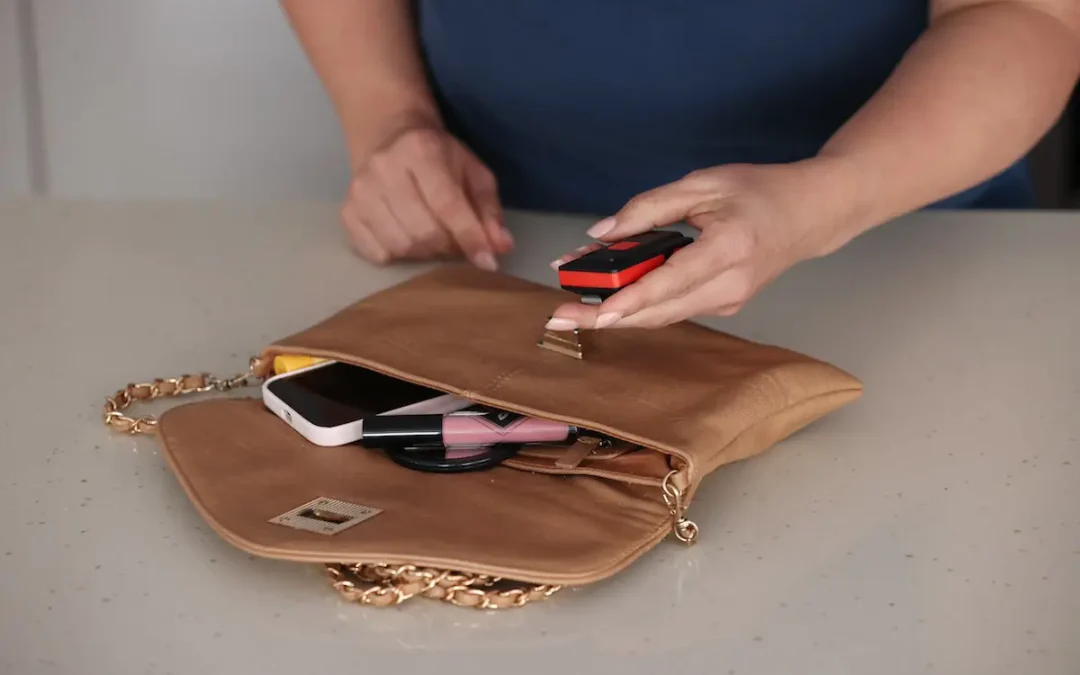
What are Staff Duress Alarms?
A duress alarm is a safety security feature designed to alert authorities or designated personnel in situations where an individual is in distress or facing a life-threatening situation. It’s typically a silent alarm or ‘stealth’ mode system activated manually, signalling the need for immediate intervention or emergency response.
The truth is, many workplaces already think they have staff safety covered. A call-in process here, a sign-in sheet there, maybe even a few duress pendants for high-risk roles. But if you’ve ever had to respond to an incident, you’ll know the cracks show quickly. A missed check-in. A worker you can’t locate. An SMS that never gets read in time.
It’s not that these methods don’t work at all – they just weren’t designed for the fast, complex nature of today’s workplaces. Safety needs to be automatic, connected, and easy to manage, not another manual process that depends on someone remembering to log a call or fill in a form.
Examples of duress alarms include mobile apps, bluetooth buttons and wearable devices like smartwatches or pendants. These devices are often equipped with an SOS button that, when pressed, sends a signal to a 24/7 monitoring bureau centre who will respond and alert emergency services.
They may also have additional features like two-way communication, GPS tracking, and fall detection. For instance, a smartwatch can be designed to look like a regular watch but with the added functionality of sending SOS alerts (discreetly), while a pendant can be discreetly worn around the neck or attached to clothing (belt clip), providing easy access to call for help.
These devices are particularly useful for individuals who work alone or in potentially hazardous environments, as they offer a quick and simple way to summon assistance without drawing attention to the situation. They’re also valuable for older people or those with medical conditions who might require urgent help. The integration of technology in these devices ensures that help can be reached promptly, providing peace of mind for both the wearer and their loved ones or employers.

What type of staff duress alarms do we have?
Our Staff Safety Solutions aren’t just a single device or app – they’re an entire toolkit you can tailor to your team.
mCare Duress Mobile App – The fastest way to turn a company phone into a safety device. Staff can check in, check out, and raise an SOS alert in seconds, with their location automatically shared.
mCare Duress Button – A lightweight keychain button or a wall-mounted unit for fixed locations, so help is always just a press away – even if a phone isn’t nearby.
mCare Bluetooth Beacons – For large sites like hotels, hospitals, and universities, these beacons can pinpoint someone to a specific room or floor, so you’re not searching blind.
mCareWatch 241SE – A stylish, lightweight smartwatch with SOS calling and GPS tracking, perfect for day-long wear.
mCareWatch G11 – Our most advanced option, with discreet wrist-shake activation for situations where pressing a button isn’t possible.
The best part? Every one of these options runs through our ConnectiveCare® Platform – the heartbeat of our safety solutions. It’s here that alerts are logged, locations are tracked, and escalation steps are triggered automatically, whether you’re monitoring in-house or using our 24/7 Grade 1 professional service.
We like to think of it as your command centre for peace of mind – because when safety is simple to manage, it’s so much easier to protect your people. It’s also an ecosystem with a rich API suite thus integration with your own systems is also available.
What are the specific roles that would benefit from using staff duress alarms?
Staff duress alarms are essential safety devices for a variety of professionals who may find themselves in vulnerable situations due to the nature of their work. Here’s a selection of the types of roles that would benefit from using a staff duress alarm:
Lone Workers: Individuals who work alone, especially in remote or isolated areas, rely on staff duress alarms for safety. These workers may not have immediate access to help, making a duress alarm a critical tool for emergency situations.
Community Workers: Professionals who provide services in the community, such as social workers, home care providers, and utility workers, often enter unfamiliar environments and can face unpredictable risks. Staff duress alarms offer them a discreet way to call for assistance if needed.
Healthcare Professionals: Nurses, doctors, and other medical staff, particularly those working in mental health hospitals or conducting home visits, are at a higher risk of encountering aggressive behaviour or other forms of violence. Staff duress alarms ensure they can quickly alert security without escalating the situation.
Emergency Services: Paramedics and other emergency responders use duress alarms to ensure their safety when responding to calls, as they can sometimes arrive at scenes where the risk level is unknown or changes rapidly.
Domestic Violence Support: Staff working with individuals affected by domestic violence may use duress alarms to provide an additional layer of security for both them and the clients they are assisting.
In essence, staff duress alarms serve as a lifeline for staff who may face danger in their line of work, providing a simple yet effective means to summon help discreetly and promptly. The use of such duress alarms is a proactive measure to enhance the safety and well-being of employees across various sectors.
When do organisations contact us for support?
Organisations that reached out to us looking for more sophisticated staff duress alarms often had safety processes in place but they were failing them:
Pendants – Simple to press in an emergency, but their simplicity means more regular safety procedures such as check-ins and check-outs are not available. They are often not specific to a person thus regular logs can’t be attributed to a certain staff member.
Manual systems – Clipboards, text messages, and “buddy checks” feel friendly but fall apart in a real crisis.
Call centres – Helpful voices at the other end, but often no way to see where help is needed most urgently.
Phone-based systems – Familiar tools, but they rely on staff stopping to make a call or send a text, and that’s not always possible.
We knew there had to be a better way – something flexible enough to work across industries, from social services to hospitality, yet powerful enough to deliver instant alerts, pinpoint locations, and keep a clean, audit-ready record.
At the same time, also offering options to organisations – from the easiest implementation such as the mCare Duress App that can be paired with a low cost bluetooth enabled mCare Duress Button, to the more advanced protection that the mCareWatch G11 delivers.

Duress alarms – how do they work?
The device’s silent “stealth” mode allows the wearer to activate an SOS alert by pressing the SOS button, which activates the SOS and sends the alert directly to the 24/7 monitoring Bureau, who receive the alert and then immediately call into the device.
When the monitoring operator dials into the device, it will not make any sound but only vibrate when the call is automatically answered. The monitoring bureau operator will then listen, record, and respond to incidents without the wearer having to do anything. This is crucial for those affected by family and domestic violence who can activate the SOS alert discreetly and without alerting the perpetrator that they have activated an SOS.
In a genuine emergency, the monitoring bureau operator can locate the wearer’s location and access their profile details (address, physical description, perpetrator’s details and history of domestic violence). All this information is immediately passed onto the police, who are dispatched to the wearer’s location.
What are the benefits of our staff duress alarms?
Duress alarm devices such as the mCareWatch and the mCareMate emergency alarm pendant offer several benefits, particularly for personal safety and emergency response. Here are some key advantages:
- Immediate Assistance: With the press of a button, these devices can send an SOS alert to a 24/7 monitoring bureau centre, ensuring rapid response to emergencies.
- Peace of Mind: Knowing that help is just a button-press away provides reassurance to the wearer and their family and employer.
- Discreet Protection: Many duress alarms are designed to be discreet, allowing individuals to summon help without drawing attention or escalating a threatening situation.
- Location Tracking: Equipped with GPS and Wi-Fi technology, these devices can provide real-time location data, which is crucial for locating the individual in distress.
- Two-Way Communication: With 4G mobile connectivity and two-way communication, this enables the monitoring bureau the ability to dial into the device (discreetly and silently) and provide emergency response.
- Versatility: Duress alarms can be tailored to various needs, such as fall detection for the elderly or integration with healthcare monitoring systems.
- Integration into Everyday Life: These devices can be worn as regular accessories, making them a seamless part of the wearer’s daily routine.
Overall, duress alarm devices serve as a vital safety tool, providing a sense of security and empowerment to those who may face danger in their personal or professional lives.
Case Study: Innovative Duress Response at Catholic Healthcare Charles O’Neil Hostel
Background
Catholic Healthcare Newcastle, a mental health hospital, faced a unique challenge in ensuring the safety of their nursing staff. Traditional staff duress alarms were not always practical due to the nature of patient interactions. In response, they adopted the mCareWatch smartwatch, equipped with a novel ‘gesture’ activation feature for SOS alerts.
Challenge
Nurses at the facility often found themselves in situations where they could not physically press an SOS button due to patients potentially grabbing their arms. This limitation necessitated a solution that allowed for discreet and unobstructed activation of the duress alarm.
Solution
In collaboration with mCare Digital, Catholic Healthcare Newcastle developed a ‘gesture-based’ activation system. Nurses could now activate the SOS alert by simply shaking their hands 4 or 5 times. This motion would trigger a silent alert, notifying nearby staff members who could then quickly respond and assist.
Implementation
Bluetooth beacons were installed in each room of the facility to enhance the system’s efficiency. These beacons facilitated precise location tracking, ensuring that help was directed to the exact location where the SOS was activated.
Outcome
The implementation of the gesture-activated mCareWatch smartwatch has been a resounding success. Nurses reported feeling significantly safer, knowing they had a reliable means to summon help discreetly. The system proved effective on numerous occasions, reinforcing the hospital’s commitment to staff safety.
Conclusion
Catholic Healthcare Newcastle’s proactive approach to staff safety serves as a model for healthcare facilities worldwide. The innovative use of technology in the mCareWatch smartwatch has not only enhanced the security of nursing staff but also ensured uninterrupted care for patients.
If you are looking for reliable staff duress alarms, please contact us here. We also have a couple more case studies published on our ‘Personal Safety’ website page. You can read these and also how we help through our customised solutions via this LINK.
Conclusion: Moving Beyond Fragmented Safety Systems
The reality is, fragmented safety systems – whether it’s phone calls, SMS check-ins, or paper logs often fail when they’re needed most.
These methods depend on human memory, create gaps in real-time visibility, and leave organisations with scattered or incomplete records that don’t stand up to workplace safety compliance requirements. In a critical moment, delays or missing information can put both staff and organisations at serious risk.
That’s why mCare Digital’s staff safety solutions are designed to be accessible, reliable, and fully integrated. From the mobile app and Bluetooth buttons to indoor beacons and smart safety watches, every alert, check-in, and location update runs seamlessly through the ConnectiveCare® Platform. This means staff can raise an alarm instantly, managers can respond with confidence, and organisations have clear, centralised data to support compliance and reduce risk.
With mCare, safety doesn’t have to be complicated – it just works, when it matters most.
Key Takeaways
-
Manual or fragmented systems (calls, texts, sign-in sheets) leave dangerous gaps in staff safety and compliance.
-
mCare Digital solutions offer instant alerts, GPS and indoor location tracking, and centralised reporting.
-
The ConnectiveCare® Platform unifies all devices and data for easy monitoring and compliance.
-
Flexible monitoring options mean you can choose self-management or 24/7 Grade 1 professional monitoring.
Hi
Can you please suggest a table top version, not a watch, that GP’s can use in their rooms. Would this work if rooms are > 25 metres and doors closed??
Thanks,
Hi Amanda,
Thank you for your suggestion. We have just emailed you with some information about our product range which includes more than just the watches.
Can you please check your spam or junk folder in case the email was not received.
Thank you,
Michael (Customer Care)